
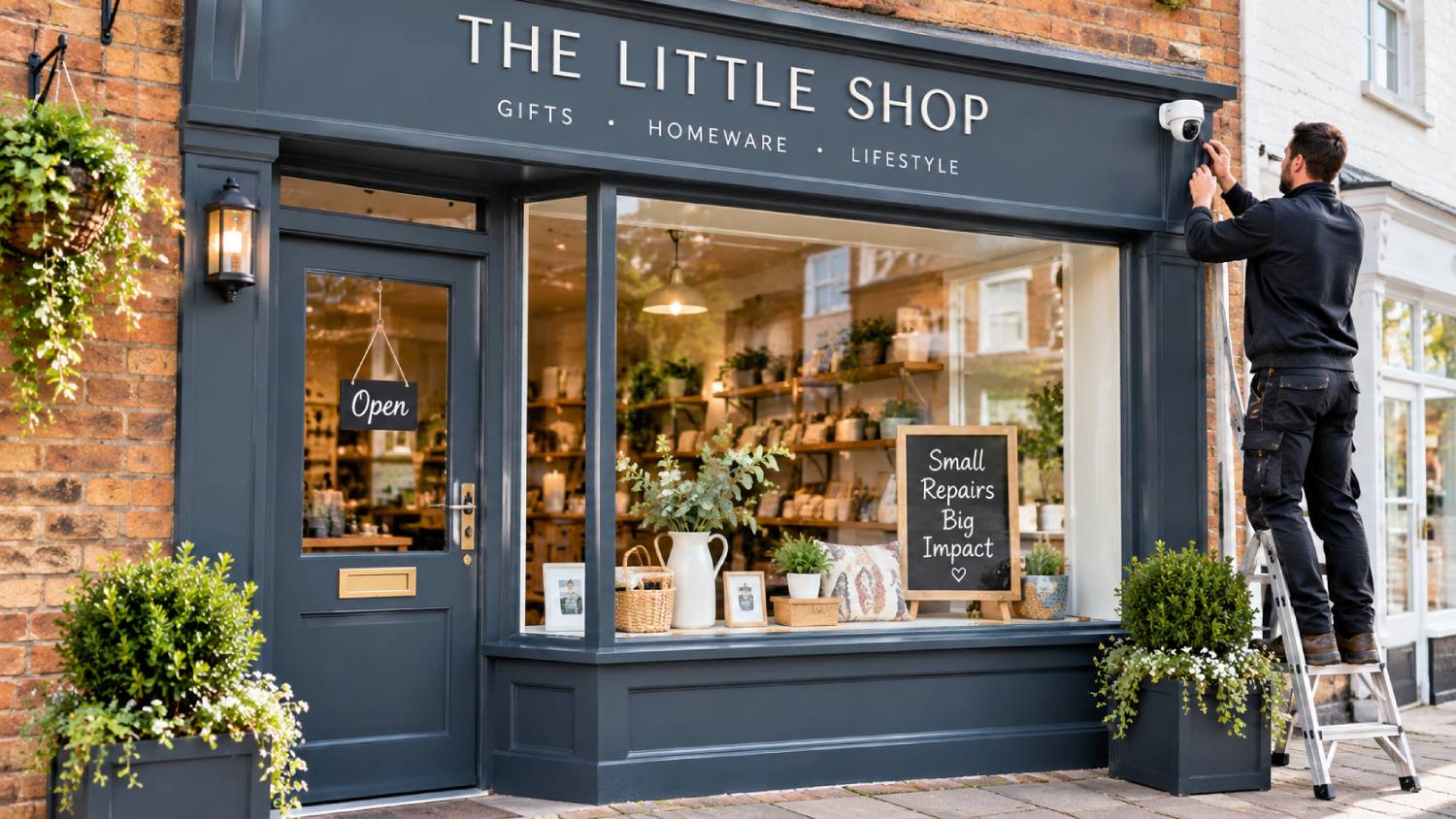
A shop front shapes the first impression customers have of a business. Damaged glass, worn frames, faulty doors or untidy fittings can make premises look neglected and raise concerns about security. Addressing these smaller issues helps maintain a professional appearance and keeps the entrance in good working order.
Well-planned shop front repairs can improve both the appearance and security of commercial premises without necessarily requiring a complete replacement. Knowing which problems to address first helps business owners prioritise maintenance, reduce avoidable risks and create a more welcoming entrance.
Why Small Shop Front Problems Matter
Minor defects can become more noticeable over time. A loose door handle, cracked pane or damaged frame may seem like a small maintenance issue, but it can affect how customers perceive the premises and how safely they can enter.
A poorly maintained shop front may also allow draughts or moisture to enter, depending on the location and nature of the damage. Regular inspections help identify these problems before they lead to more extensive repairs.
Repairing Damaged Glass and Glazing
Glass is often one of the most prominent features of a retail entrance. Cracks, chips and broken panes can spoil the appearance of a shop and create safety concerns for customers, staff and passers-by.
Damaged glass should be assessed promptly by a qualified glazier. Depending on the type and extent of the damage, the appropriate solution may involve replacing an individual pane or arranging a temporary measure until permanent repairs can be completed.
The replacement glass must be suitable for its location and comply with applicable safety requirements. Toughened and laminated glass serve different purposes, so the correct choice depends on the installation and its intended use. A professional assessment can help establish the appropriate specification.
Checking Shop Front Doors, Frames and Fittings
Glass is not the only part of a shop front that needs attention. Doors, hinges, handles, locks and surrounding frames all contribute to the entrance’s appearance, usability and security.
A door that sticks, fails to close properly or has a loose handle may inconvenience customers and compromise access control. Worn hinges and damaged frames can also affect alignment, making the entrance harder to operate.
Regular checks can reveal whether fittings need adjustment, repair or replacement. If a lock does not engage correctly or a door cannot close securely, arrange an assessment rather than relying on a temporary workaround.
Frames should also be checked for corrosion, loose fixings, gaps and visible deterioration. Addressing these defects helps maintain a stable, neat and functional shop front.
Improving Kerb Appeal Through Simple Maintenance
Kerb appeal is not limited to large design changes. Clean glazing, tidy frames and a well-maintained entrance can make a business look more cared for without extensive alterations.
Dirt, adhesive residue and marks can reduce visibility through display windows. Regular cleaning helps keep the frontage presentable and allows customers to see displayed products more clearly. However, cleaning should never involve applying pressure to cracked glass or attempting to repair damaged fittings without suitable expertise.
Peeling paint, worn seals and discoloured frame sections can also affect the overall appearance. Where appropriate, repairing these areas and renewing damaged finishes can help create a more consistent look.
A neat entrance should also be easy to approach. Keep access routes clear, remove unnecessary clutter and ensure doorways operate smoothly. These straightforward measures support a better customer experience while making existing defects easier to spot.
Practical Checks for Shop Owners
Routine inspections help business owners identify maintenance needs before they become more serious. Consider the following checks:
- Inspect the glazing: Look for cracks, chips, loose panes or signs of damage around the edges.
- Test doors and locks: Check that entrances open, close and lock properly without unusual resistance.
- Examine frames and seals: Look for gaps, corrosion, loose fixings or deteriorating seals.
- Keep the frontage clean: Remove dirt and marks using suitable cleaning methods and products.
- Review security features: Check visible locks, access points and other existing security measures for signs of wear or damage.
- Arrange professional repairs: Seek qualified assistance for damaged glass, structural concerns or faulty security fittings.
Record recurring problems and arrange maintenance according to their urgency. Any cracked glass, unstable component or faulty lock that presents an immediate risk should receive prompt attention.
How Shop Front Repairs Support Business Security
A secure shop front helps protect the premises, stock and equipment. Damaged glazing, weak door fittings and locks that fail to engage can leave potential points of entry that require attention.
Repairs should focus on restoring the affected component to a safe and functional condition. Depending on the issue, this may involve replacing damaged glass, repairing a door mechanism or securing a compromised frame.
If a break-in or serious impact damages the frontage, prioritise safety and arrange professional assistance. Keep people away from broken glass, avoid handling unstable components and contact the appropriate emergency service if there is an immediate danger. Where permanent glazing cannot be installed straight away, professional boarding-up may provide temporary protection.
Security improvements should suit the premises rather than follow a one-size-fits-all approach. A qualified glazing or security professional can assess the existing installation and advise on suitable options.
Knowing When to Repair or Replace
Not every defect requires a complete new shop front. If the damage is limited to a replaceable pane, worn fitting or repairable door component, targeted work may be sufficient. The decision depends on the condition of the surrounding structure, the extent of the damage and the availability of suitable replacement parts.
More extensive deterioration may justify a broader assessment. Repeated problems, significant frame damage or glazing that no longer meets relevant safety requirements may make replacement a more appropriate option.
Before proceeding, ask for a clear explanation of the problem, the proposed work and any relevant safety considerations. Comparing the likely cost and durability of repair with replacement can help you make a practical decision.
Final Thoughts
Small repairs can make a meaningful difference to a shop’s appearance, accessibility and security. Regular inspections, clean glazing, functional doors and well-maintained frames help keep commercial premises welcoming and safe.
Address urgent defects promptly and seek professional advice when glass, frames or security fittings are damaged. A planned maintenance routine can help identify problems early and ensure that repairs address the underlying issue rather than simply its visible symptoms.